
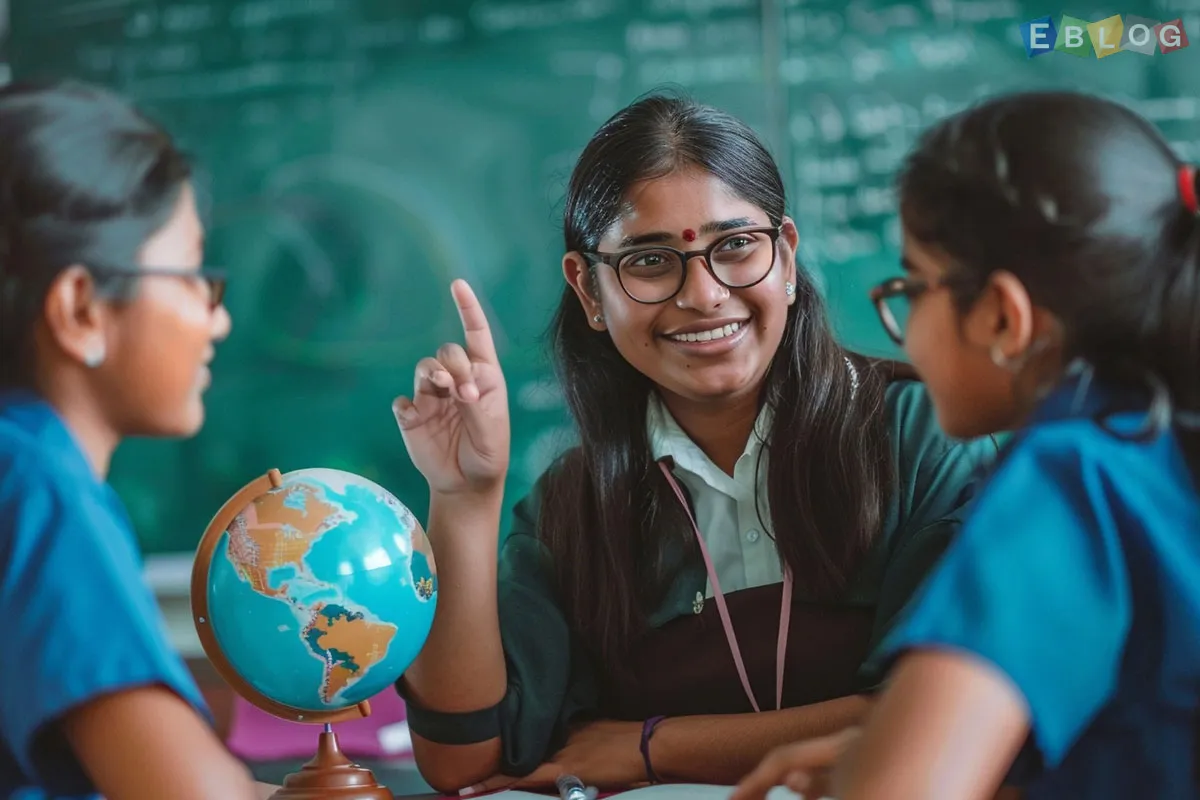
Changes in CBSE in India: A New Era of Education
Education in India is undergoing a major transformation, and the Central Board of Secondary Education (CBSE) is at the forefront of this change. With the implementation of the National Education Policy 2020, CBSE has introduced several reforms aimed at making learning more flexible, skill-based, and student-centric. These changes are reshaping how students learn, are assessed, and prepare for the future.
1. Shift from Rote Learning to Competency-Based Education
One of the most significant changes is the move away from memorization towards understanding and application. CBSE now emphasizes:
-
Critical thinking
-
Problem-solving skills
-
Real-world application of concepts
This shift ensures students are not just learning facts but are able to use knowledge practically.
https://www.aakash.ac.in/blog/cbse-2026-27-curriculum-3-language-policy-dual-level-maths-science/
2. Introduction of Two Board Exams
Starting from 2026, Class 10 students will have the option to appear for board exams twice a year:
-
First attempt (main exam)
-
Second attempt (improvement exam)
This reform reduces exam pressure and gives students a second chance to improve their scores.
3. New Curriculum Framework (5+3+3+4 Structure)
The traditional 10+2 system has been replaced with a more flexible 5+3+3+4 structure, aligning education with different age groups:
-
Foundational Stage (5 years)
-
Preparatory Stage (3 years)
-
Middle Stage (3 years)
-
Secondary Stage (4 years)
This structure is designed to match the cognitive development of children.
4. Skill-Based and Vocational Education
CBSE is placing strong emphasis on practical skills by:
-
Introducing subjects like Artificial Intelligence and Design Thinking
-
Making skill education compulsory in middle classes
-
Promoting hands-on learning
This prepares students for modern careers and industry demands.
5. Changes in Exam Pattern and Evaluation
Several important updates have been introduced in assessment:
-
Competency-based questions instead of direct theory
-
On-Screen Marking (OSM) for Class 12 answer sheets
-
More weightage to case studies and application-based questions
These changes improve transparency and accuracy in evaluation.
6. Introduction of 9-Point Grading System
CBSE has updated its grading system to a 9-point scale, offering a more detailed evaluation of student performance.
7. Flexible Subject Choices and Multidisciplinary Learning
Students now have greater freedom to choose subjects across streams. For example:
Science students can take arts or commerce subjects
Focus on interdisciplinary learning
This flexibility helps students pursue their interests rather than being restricted to rigid streams.
https://www.aakash.ac.in/blog/cbse-2026-27-curriculum-3-language-policy-dual-level-maths-science/
8. New Language Policy
CBSE has adopted a revised three-language formula, requiring students to study three languages from Class 6 onward. This aims to:
-
Promote multilingualism
-
Enhance communication skills
-
Preserve cultural diversity
9. Two-Level System for Subjects
A new system allows students to choose standard or advanced levels in subjects like Mathematics and Science, helping them learn at their own pace and according to their career goals.
10. Continuous and Holistic Assessment
CBSE is moving toward continuous evaluation rather than relying only on final exams. Internal assessments, projects, and practical work now play a larger role in overall grading.
Challenges in Implementation
While these reforms are promising, they also come with challenges:
-
Need for teacher training
-
Infrastructure upgrades in schools
-
Confusion among parents and students during transition
-
Delays in updated textbooks in some cases
Conclusion
The recent changes in CBSE reflect a significant shift in India’s education system—from traditional learning methods to a more modern, flexible, and skill-oriented approach. While the transition may take time, these reforms aim to create well-rounded individuals equipped for the future.
In the long run, CBSE’s transformation is not just about improving academic performance but about preparing students for real-world challenges and global opportunities.




















Leave a Reply