
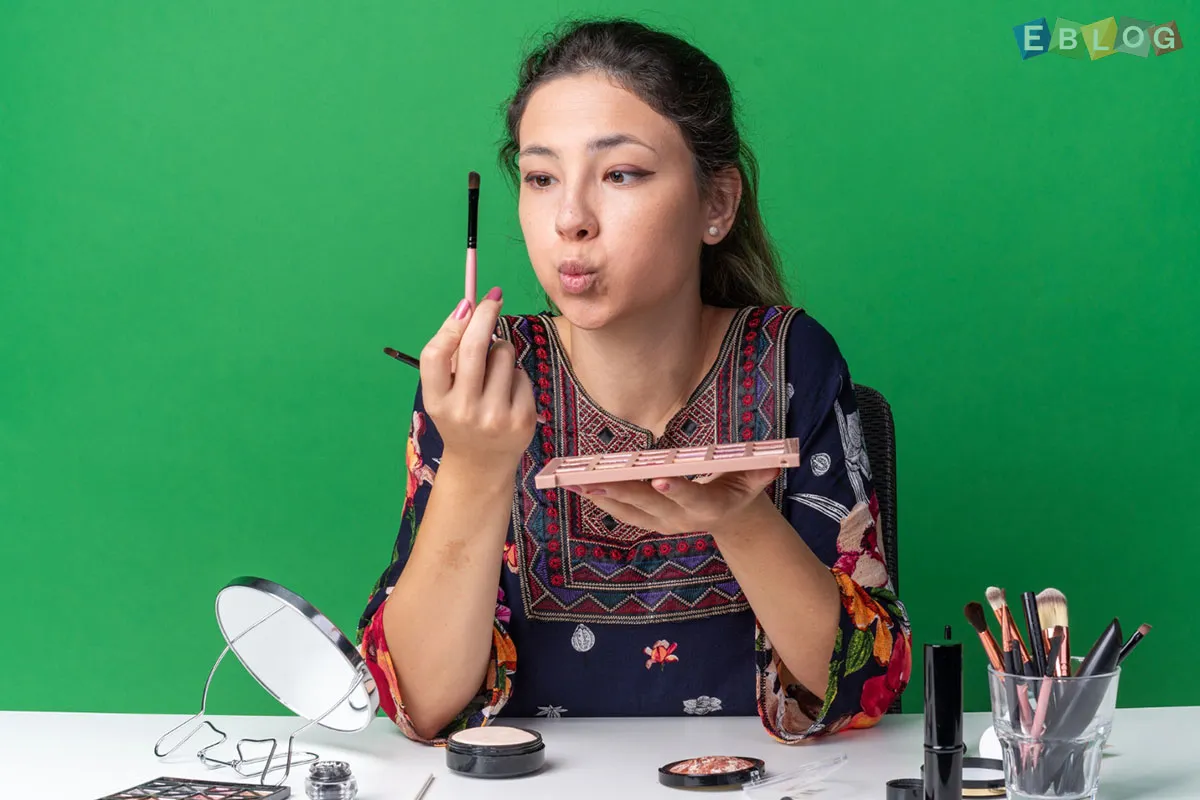
The Role of Kajal in the Asian Makeup Industry
Kajal, also known as kohl or surma, is more than just an eye cosmetic in Asia—it is a cultural symbol, a beauty staple, and a bridge between tradition and modern makeup. For centuries, kajal has held a central place in Asian beauty rituals, evolving with time while retaining its deep-rooted significance.
1. A Cultural Legacy Beyond Makeup
In many Asian countries such as India, Pakistan, Bangladesh, Nepal, and parts of the Middle East, kajal has traditionally been applied not only for beauty but also for cultural and protective reasons. It was believed to protect against the evil eye, reduce eye strain, and even promote eye health. Babies and elders alike were often adorned with kajal, making it one of the earliest beauty practices passed down through generations.
This cultural association has ensured kajal’s continued relevance, even as beauty trends change.
2. Kajal as a Defining Element of Asian Eye Makeup
Asian makeup places strong emphasis on expressive eyes, and kajal plays a key role in achieving that look. Whether it’s a bold bridal appearance or a subtle everyday style, kajal enhances eye shape, adds depth, and creates intensity.
Popular styles include:
a. Waterline definition for soft yet striking eyes
b. Smudged kajal looks for festive and evening wear
c. Winged or elongated eyes using kajal as a base
d. Unlike Western eyeliners, kajal often delivers a softer, more blended finish, which aligns well with traditional Asian aesthetics.
3. From Traditional Formulas to Modern Innovations
Historically, kajal was made at home using natural ingredients like soot, ghee, and herbs. While these homemade versions are still valued in some households, the modern Asian makeup industry has transformed kajal into a sophisticated product category.
Today’s kajals offer:
a. Smudge-proof and waterproof formulas
b. Infused ingredients like aloe vera, vitamin E, and almond oil
c. Gel, pencil, liquid, and retractable formats
d. Shades beyond black, including brown, blue, green, and grey
e. Brands across Asia now cater to diverse skin tones, climates, and lifestyles, making kajal both practical and versatile.
4. Kajal in Bollywood, Television, and Pop Culture
The influence of Asian cinema—especially Bollywood—has played a massive role in keeping kajal trendy. Iconic looks featuring bold, dramatic eyes have inspired generations. From classic actresses to modern influencers, kajal remains a signature element in defining glamour, drama, and emotional expression on screen.
Social media beauty creators and makeup artists continue to reinvent kajal, showcasing everything from minimal daytime looks to high-fashion editorial styles.
5. A Staple Across Generations
One of kajal’s strongest advantages is its universal appeal. It is used by teenagers experimenting with makeup, professionals seeking a polished look, brides on their wedding day, and older generations who value tradition. This cross-generational relevance keeps kajal at the heart of the Asian makeup industry.
6. Economic and Market Significance
From luxury beauty brands to affordable mass-market products, kajal is one of the highest-selling eye cosmetics in Asia. Its consistent demand makes it a cornerstone product for makeup companies, especially in countries where eye makeup is prioritized over other categories.
7. Conclusion
Kajal is not just a cosmetic—it is an emotion, a tradition, and an identity marker within the Asian makeup industry. Its journey from ancient beauty rituals to modern makeup kits reflects the perfect blend of heritage and innovation. As trends evolve, kajal continues to adapt, proving that some beauty essentials are truly timeless.
Prev Post








Leave a Reply