
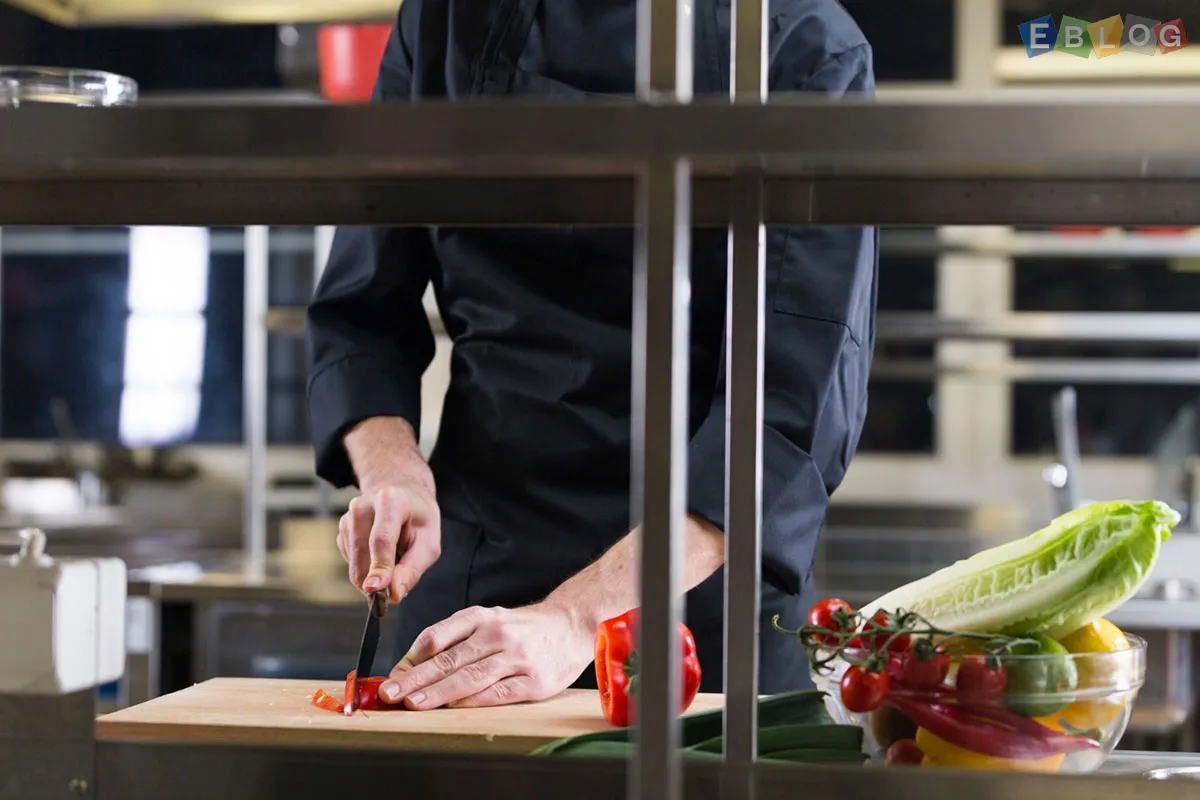
Kitchen Safety in Restaurants: Essential Practices for a Safe and Efficient Workspace
Running a restaurant is not just about delivering delicious food—it’s also about maintaining a safe and hygienic kitchen environment. Kitchen safety is critical to prevent accidents, ensure food quality, and comply with health regulations.
Whether you manage a fine-dining restaurant or a busy cloud kitchen, implementing proper safety practices can protect both your staff and customers.
Why Kitchen Safety Matters
Kitchen environments are fast-paced and high-risk. Without proper safety measures, accidents such as burns, cuts, slips, and food contamination can occur.
Key Benefits:
-
Protects staff from injuries
-
Ensures food safety and hygiene
-
Reduces legal and compliance risks
-
Improves operational efficiency
https://safetyculture.com/topics/kitchen-safety
1. Proper Handling of Equipment
Kitchen equipment can be dangerous if not handled correctly.
Best Practices:
-
Train staff to use knives and machines safely
-
Keep equipment clean and well-maintained
-
Turn off appliances when not in use
Regular maintenance reduces the risk of sudden failures.
2. Maintain Hygiene and Cleanliness
Clean kitchens are safe kitchens.
Tips:
-
Wash hands frequently
-
Sanitize surfaces regularly
-
Store food properly to avoid contamination
Following hygiene standards helps prevent foodborne illnesses like Food poisoning.
3. Prevent Slips, Trips, and Falls
Wet floors and cluttered spaces are common hazards.
Safety Measures:
-
Clean spills immediately
-
Use anti-slip mats
-
Keep walkways clear
Simple precautions can prevent major accidents.
4. Fire Safety Awareness
Kitchens are highly prone to fire hazards.
Key Steps:
-
Install fire extinguishers
-
Train staff on fire safety procedures
-
Keep flammable materials away from heat sources
Be aware of risks like grease fires and how to handle them safely.
5. Use of Protective Gear
Proper attire plays a big role in safety.
Essentials:
-
Heat-resistant gloves
-
Non-slip shoes
-
Aprons and hairnets
Protective gear minimizes injury risks.
6. Safe Food Storage and Temperature Control
Incorrect storage can lead to bacterial growth.
Guidelines:
-
Keep refrigerators between 1°C and 5°C
-
Store raw and cooked food separately
-
Monitor temperatures regularly
Prevents contamination and maintains food quality.
7. Staff Training and Awareness
Well-trained staff are the backbone of a safe kitchen.
Focus Areas:
-
Emergency procedures
-
Equipment handling
-
Hygiene practices
Regular training ensures everyone knows how to act safely.
https://foodsafetystandard.in/food-safety-and-kitchen-hygiene/
8. Compliance with Safety Regulations
Restaurants must follow local health and safety guidelines.
Examples:
-
Food safety audits
-
Routine inspections
-
Proper documentation
-
Pro Tips for a Safer Kitchen
-
Conduct daily safety checks
-
Use digital systems (like monitoring tools)
-
Encourage staff to report hazards
-
Maintain proper lighting and ventilation
Conclusion
Kitchen safety is not a one-time effort—it’s an ongoing commitment. By implementing proper safety measures, training staff, and maintaining hygiene, restaurants can create a safe and productive environment.
A safe kitchen doesn’t just prevent accidents—it builds a culture of responsibility, efficiency, and excellence.













Leave a Reply