
The Beauty and Tradition of Henna
Henna has been used for centuries as a natural form of body art, hair dye, and cultural expression. Known for its rich reddish-brown stain and intricate designs, henna holds a special place in many traditions around the world. From weddings and festivals to everyday beauty practices, henna continues to be celebrated for both its artistic and natural benefits.
1. What is Henna?
Henna is a natural dye derived from the leaves of the henna plant, scientifically known as Lawsonia inermis. The leaves of this plant are dried, crushed into a fine powder, and mixed with liquids such as lemon juice, tea, or essential oils to create a paste. When applied to the skin, hair, or nails, this paste leaves a temporary stain that can last from one to three weeks.
Henna has been widely used in regions such as India, Pakistan, Morocco, and Egypt for generations.
2. Cultural Significance of Henna
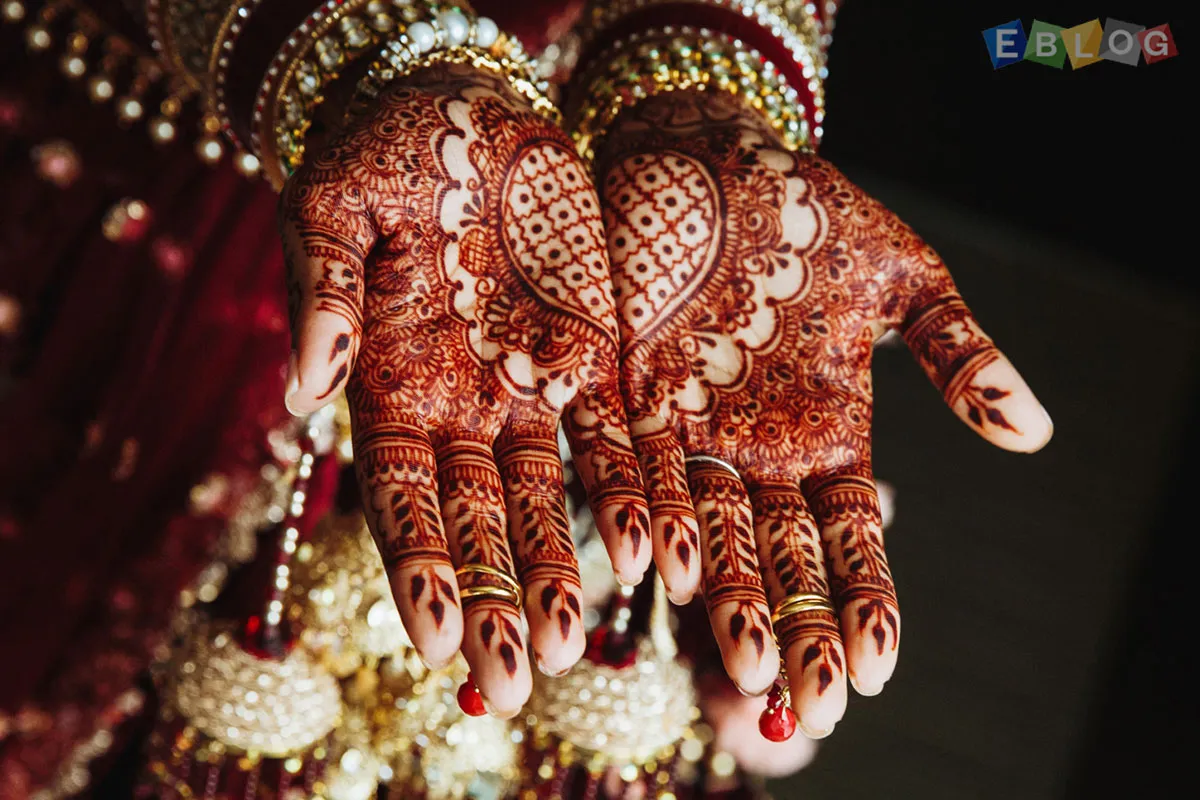
Henna is deeply rooted in cultural and religious traditions. In many cultures, henna is applied during special occasions such as weddings, religious festivals, and celebrations. One of the most famous traditions is the pre-wedding henna ceremony, often called the Mehndi Ceremony.
During this event, the bride’s hands and feet are decorated with elaborate henna patterns that symbolize beauty, joy, and good luck for the marriage. Family members and friends also participate, making the ceremony a joyful social gathering.
Henna is also commonly used during festivals such as Eid al‑Fitr and Diwali, where people decorate their hands with beautiful designs to celebrate the occasion.
3. Types of Henna Designs
Henna art varies across cultures, and each region has its own unique style of design.
a. Indian Henna
Indian henna designs are known for their intricate and detailed patterns. These designs often include flowers, paisleys, and fine lines that cover most of the hands and feet.
b. Arabic Henna
Arabic henna typically features bold floral patterns and flowing designs. The patterns are often spaced out, giving them a more modern and elegant appearance.
c. Moroccan Henna
Moroccan henna is characterized by geometric patterns and symmetrical shapes, reflecting traditional North African art and culture.
4. Henna for Hair
Apart from body art, henna is widely used as a natural hair dye and conditioner. When applied to hair, henna provides a reddish tint while strengthening and nourishing the hair strands. Many people prefer henna because it is free from harsh chemicals found in synthetic dyes.
Benefits of using henna for hair include:
a. Natural coloring without chemicals
b. Improved hair strength and shine
c. Reduced dandruff and scalp irritation
d. Conditioning effects that make hair smoother
5. The Modern Popularity of Henna
In recent years, henna has gained popularity worldwide as a form of temporary body art. Many people choose henna tattoos because they are natural, painless, and fade over time. Henna artists can create beautiful designs for festivals, parties, and cultural events.
Social media platforms have also helped promote henna artistry, allowing artists to showcase their creative work and inspire new design trends globally.
6. Conclusion
Henna is much more than a cosmetic product—it is a symbol of tradition, beauty, and artistic expression. Whether used for weddings, festivals, hair care, or body art, henna continues to connect people with cultural heritage while offering a natural and beautiful way to express creativity.
As its popularity grows around the world, henna remains a timeless art form that blends tradition with modern style.












Leave a Reply