
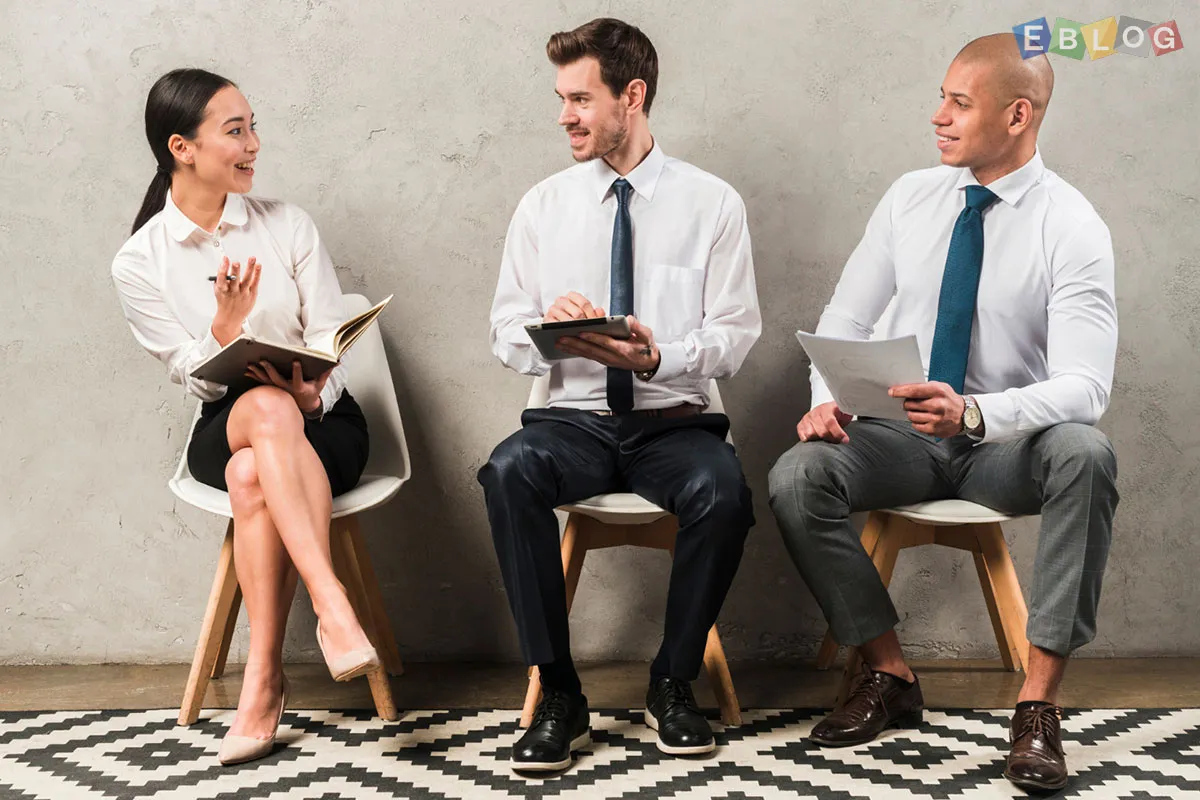
The Power of Great Dressing at an Interview
First impressions are formed in seconds, and in an interview setting, what you wear speaks before you do. While skills, experience, and confidence ultimately determine success, great dressing can strongly influence how you are perceived—often setting the tone for the entire conversation.
1. Why Dressing Well Matters
Before an interviewer hears your answers, they notice your appearance. Your outfit silently communicates professionalism, confidence, attention to detail, and respect for the opportunity. Dressing well doesn’t mean dressing expensively—it means dressing appropriately, neatly, and purposefully.
A well-chosen outfit signals that you understand workplace expectations and take the role seriously.
2. Building Confidence Through Clothing
What you wear doesn’t just affect others; it affects you too. When you’re dressed well, you naturally sit straighter, speak more confidently, and feel more prepared. This psychological boost—often called enclothed cognition—can help reduce nervousness and allow your true personality and skills to shine through.
Confidence is contagious, and interviewers can sense it.
a. Dressing as a Reflection of Professionalism
b. Great dressing reflects qualities employers value:
c. Discipline – clean, pressed clothes show preparedness
d. Judgment – choosing suitable attire shows awareness of the role
e. Respect – dressing professionally honours the interviewer’s time
f. Even in creative or casual industries, “professional” still matters—just adapted to the culture.
3. Understanding the Company Culture
One of the most powerful interview dressing strategies is alignment. Researching the company’s culture helps you strike the right balance between formal and relaxed. A corporate role may call for a tailored suit, while a startup might favour smart casual.
The goal is to look like someone who already belongs in that environment.
4. Small Details Make a Big Difference
Often, it’s the details that elevate your look:
a. Well-groomed hair and facial hair
b. Clean, polished shoes
c. Minimal and tasteful accessories
d. Neutral colours with subtle accents
e. These details signal care and precision—qualities employers consistently seek.
5. Dressing to Avoid Distractions
An interview is not the place for loud patterns, uncomfortable footwear, or overly trendy outfits. Great dressing ensures the focus stays on your words, not your wardrobe. When your clothing supports rather than distracts, your message comes through clearly.
6. A Competitive Advantage You Control
While you can’t control the questions you’ll be asked, you can control how you present yourself. Dressing well is one of the simplest yet most powerful ways to create a positive edge—especially in competitive job markets.
It shows effort, self-awareness, and readiness.
7. Conclusion
Great dressing at an interview is about more than fashion—it’s about confidence, credibility, and connection. When you dress with intention, you communicate that you are serious, capable, and prepared to represent both yourself and the organisation well. In a room full of qualified candidates, your appearance can help ensure you’re remembered for the right reasons.
Because sometimes, success begins the moment you walk into the room.











Leave a Reply