
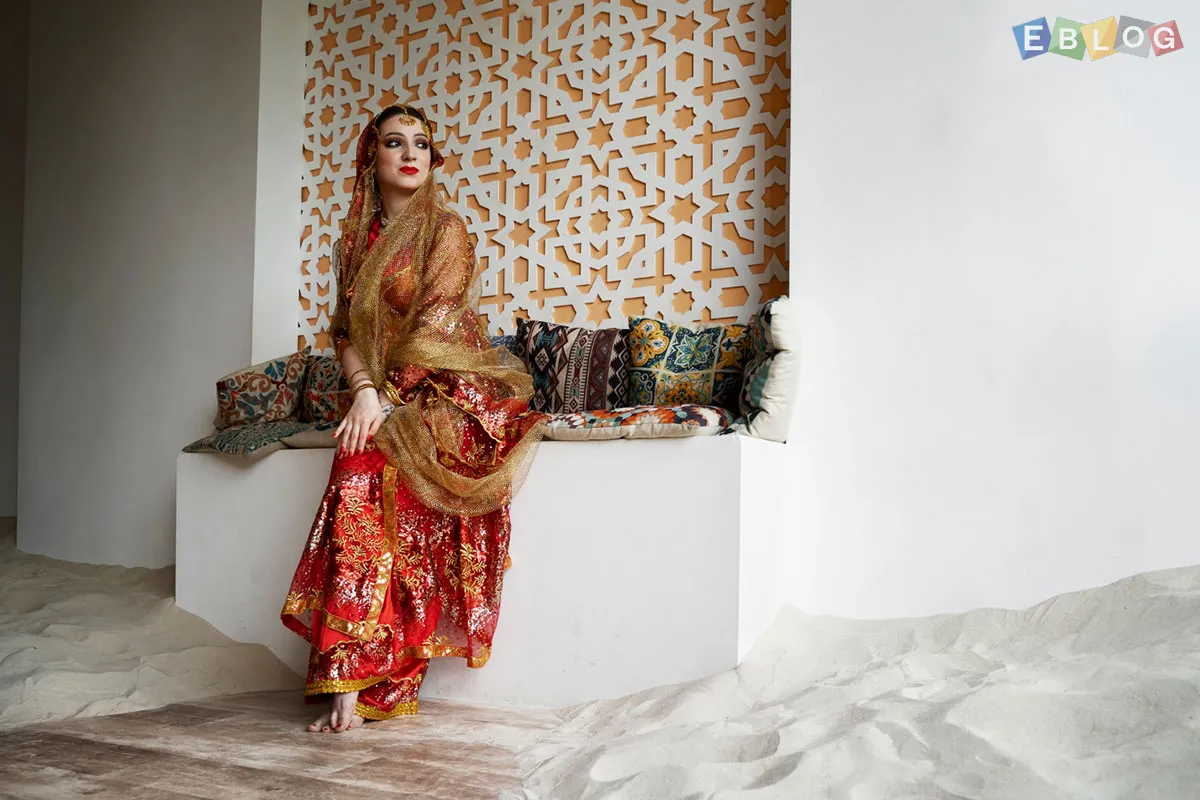
Mughal Empire and Their Sense of Fashion
The Mughal Empire, which ruled large parts of the Indian subcontinent from the 16th to the 19th century, is remembered not only for its architectural marvels and administrative systems but also for its extraordinary sense of fashion. Mughal clothing reflected power, wealth, refinement, and a deep appreciation for art and aesthetics. Their influence on Indian fashion is so profound that many styles are still visible in modern ethnic wear today.
1. Royal Elegance and Persian Influence
Mughal fashion was heavily influenced by Persian, Central Asian, and Islamic styles, blended beautifully with Indian traditions. Flowing silhouettes, rich fabrics, and intricate detailing were hallmarks of Mughal attire. Clothing was not just a necessity but a symbol of status and sophistication.
Men often wore jama (a long, flared robe), angarkha, and choga, paired with fitted trousers called paijama. These garments were designed to look graceful while allowing comfort. The turbans worn by Mughal emperors were elaborate, often adorned with jewels, feathers, or brooches (sarpech), signaling royal authority.
2. Women’s Fashion: Grace and Luxury
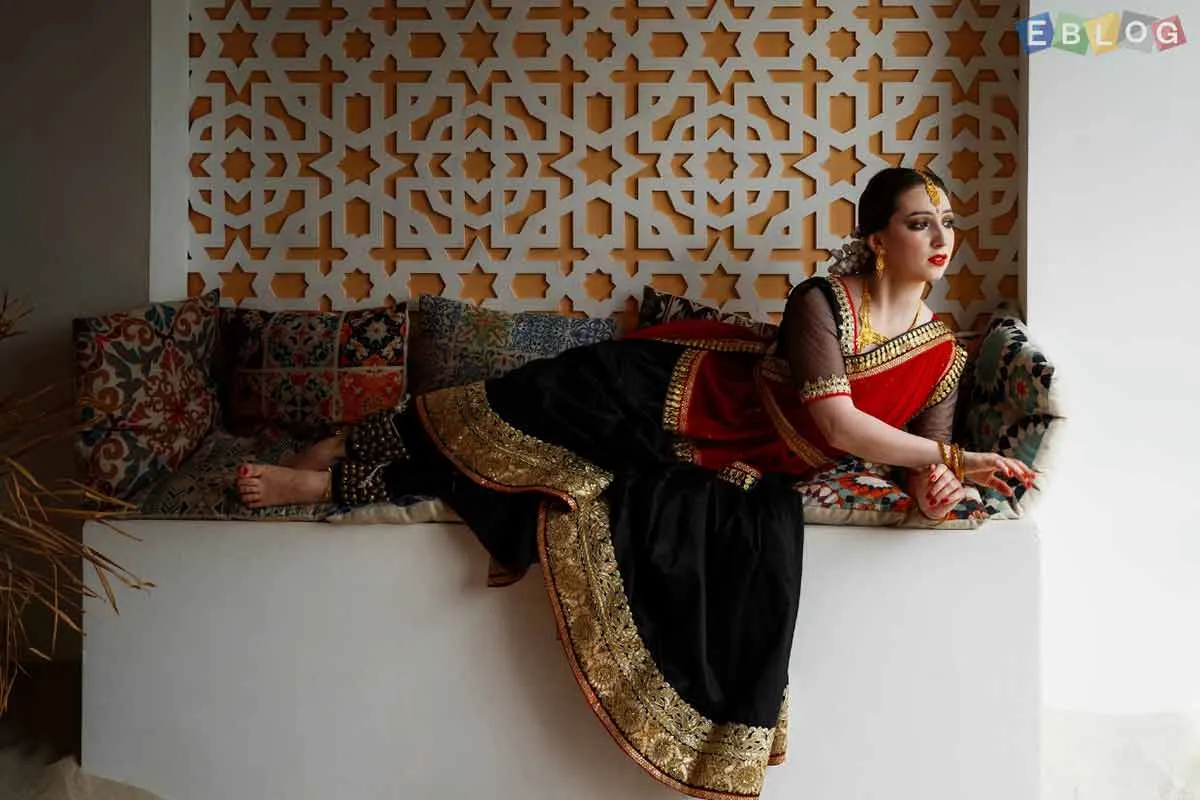
Mughal women favored elegant and modest clothing such as gharara, sharara, lehenga, and long tunics. These outfits were made from luxurious fabrics like silk, satin, velvet, and muslin. Fine embroidery techniques such as zardozi, gotta work, and gold and silver thread embroidery were commonly used.
Jewelry played a major role in women’s fashion. Necklaces, bangles, anklets, nose rings, and elaborate headpieces completed the royal look. The Mughal era also popularized the use of attar (natural perfumes) and kohl, emphasizing personal grooming as part of fashion.
3. Fabrics, Colors, and Craftsmanship
The Mughals had a refined taste for textiles. India under Mughal rule became famous for producing high-quality fabrics such as mulmul (fine muslin), brocade, and jamawar. Bright colors like red, emerald green, royal blue, and gold symbolized prosperity and celebration, while softer pastel shades were worn during leisure or summer months.
Every outfit was a result of skilled craftsmanship. Artisans were highly respected, and royal workshops (karkhanas) produced garments exclusively for the court.
4. Lasting Impact on Modern Fashion
Mughal fashion continues to inspire contemporary Indian and Pakistani clothing. Bridal lehengas, anarkali suits, shararas, and heavy embroidery styles are direct descendants of Mughal aesthetics. Designers today often revive Mughal motifs to bring a touch of royal elegance to modern fashion.
5. Conclusion
The Mughal sense of fashion was a perfect blend of luxury, artistry, and cultural fusion. Their clothing was not merely decorative but a powerful expression of identity, rank, and refined taste. Even centuries later, Mughal fashion remains timeless, continuing to influence and enrich South Asian fashion traditions.
Next Post
The Everlasting Craze for Lipsticks














Leave a Reply