
Ramadan: A Month of Faith, Reflection, and Togetherness
Ramadan is one of the most sacred and spiritually uplifting months observed by Muslims around the world. It is not just a period of fasting, but a time of deep reflection, gratitude, discipline, and compassion. This holy month strengthens faith, builds character, and encourages unity within families and communities.
The Meaning and Significance of Ramadan
Ramadan is the ninth month of the Islamic lunar calendar and is considered the holiest month in Islam. It is believed to be the month in which the Holy Qur’an was revealed to Prophet Muhammad (peace be upon him). Because the Islamic calendar is based on the moon cycle, the dates of Ramadan change every year.
Fasting during Ramadan, known as Sawm, is one of the Five Pillars of Islam. From dawn (Suhoor) to sunset (Iftar), Muslims abstain from food, drink, and other physical needs. However, fasting is not only about avoiding food and water—it is about controlling one’s thoughts, words, and actions.
1. The Spiritual Essence of Fasting
Fasting teaches patience, self-discipline, and empathy. When a person experiences hunger and thirst, they are reminded of those who struggle daily to meet basic needs. This develops compassion and encourages charity (Zakat and Sadaqah).
Ramadan is also a time for:
a. Increased prayer and recitation of the Qur’an
b. Seeking forgiveness and self-improvement
c. Strengthening one’s relationship with Allah
d. Practicing gratitude for life’s blessings
Many Muslims offer special nightly prayers called Taraweeh, creating a strong spiritual atmosphere in mosques and homes.
2. The Joy of Iftar and Community Bonding
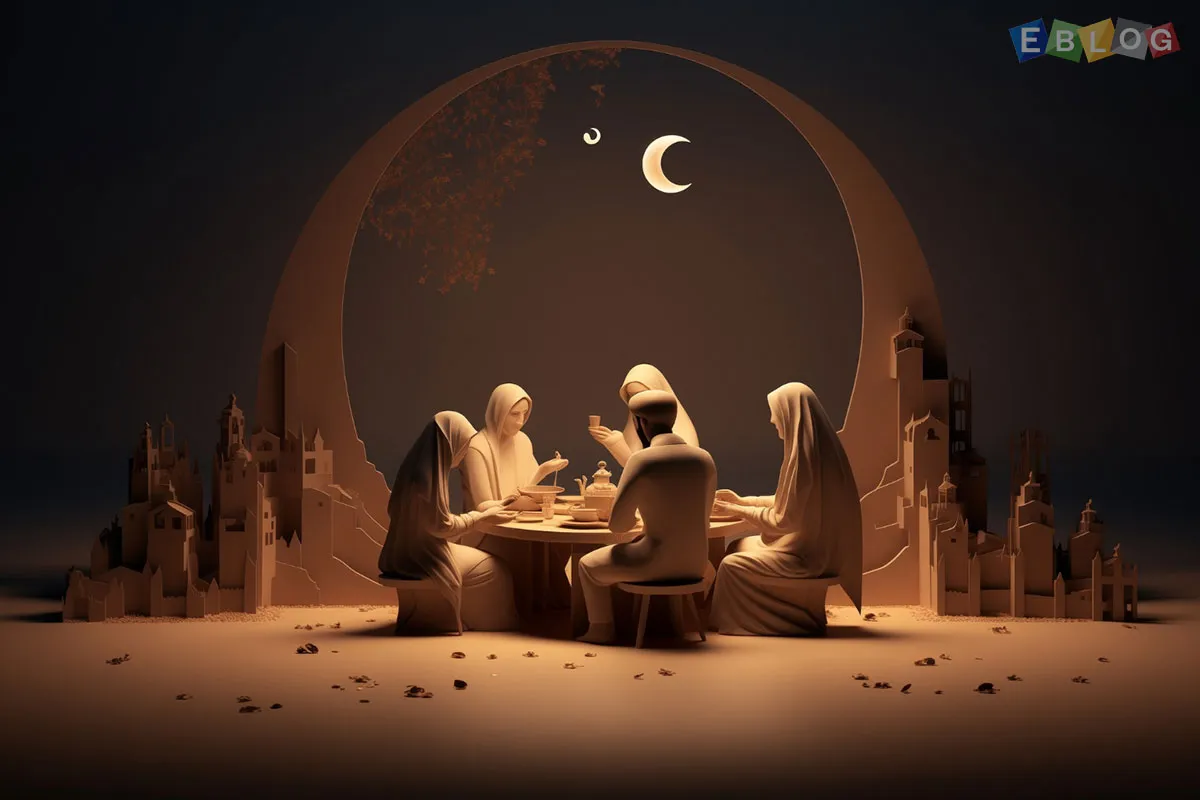
The breaking of the fast at sunset, known as Iftar, is one of the most heartwarming moments of the day. Families gather together to share meals, often starting with dates and water, following the tradition of the Prophet.
Across many cultures, Ramadan brings vibrant food traditions, community gatherings, and acts of generosity. Sharing meals with neighbors, feeding the poor, and inviting guests for Iftar strengthen social bonds.
3. Laylat al-Qadr: The Night of Power
One of the most significant nights in Ramadan is Laylat al-Qadr (The Night of Power), believed to be better than a thousand months. Muslims spend this night in intense prayer, seeking forgiveness and blessings.
4. Ramadan as a Time of Personal Growth
Beyond rituals, Ramadan is a powerful opportunity for self-transformation. It encourages individuals to:
a. Let go of bad habits
b. Practice forgiveness
c. Improve time management
d. Develop emotional control
e. Focus on spiritual and moral growth
The discipline gained during this month often inspires positive lifestyle changes that continue throughout the year.
5. The Celebration of Eid
At the end of Ramadan comes Eid al-Fitr, a joyous celebration marking the completion of fasting. It begins with a special prayer and is followed by family gatherings, festive meals, new clothes, and the giving of charity to ensure everyone can celebrate.
6. Conclusion
Ramadan is more than a month of fasting—it is a journey of faith, discipline, compassion, and gratitude. It reminds us to slow down, reflect deeply, and reconnect with our spiritual purpose. In a busy world, Ramadan offers a sacred pause—a chance to reset the heart and renew the soul.
May this Ramadan bring peace, blessings, and spiritual growth to everyone observing it.














Leave a Reply