

How to Use Herbal Teas for Common Ailments
Herbal teas have been used for centuries as natural remedies to support healing, boost immunity, and ease everyday discomforts. Whether you're dealing with a headache, stress, indigestion, or poor sleep, the right herbal tea can make a significant difference. Unlike caffeinated beverages, most herbal teas are gentle on the body and packed with therapeutic properties.
In this blog, we explore how you can use herbal teas to relieve common ailments and improve your overall well-being naturally.
1. Chamomile Tea for Stress, Anxiety & Better Sleep
Chamomile is one of the most popular herbal teas for relaxation.
Benefits:
Calms the nervous system
Helps reduce anxiety
Promotes deeper, more restful sleep
Eases mild headaches
How to Use:
Drink one cup of chamomile tea 30 minutes before bed. Add a teaspoon of honey if you prefer sweetness.
2. Peppermint Tea for Indigestion & Bloating
Peppermint tea is a powerful digestive aid.
Benefits:
Relieves gas and bloating
Soothes an upset stomach
Helps with nausea
How to Use:
Sip a warm cup after meals to support digestion. Avoid peppermint tea if you have acid reflux, as it may relax the oesophagal valve.
3. Ginger Tea for Nausea, Colds & Inflammation
Ginger has natural anti-inflammatory and anti-nausea properties.
Benefits:
Fights nausea and motion sickness
Helps relieve cold symptoms
Reduces inflammation and sore throat
Supports digestion
How to Use:
Steep slices of fresh ginger in hot water for 10 minutes. Add lemon and honey for extra antioxidant benefits.
4. Hibiscus Tea for High Blood Pressure & Heart Health
Hibiscus is known for its tangy flavour and deep red colour.
Benefits:
Helps lower blood pressure naturally
Rich in antioxidants
Supports cholesterol balance
How to Use:
Drink 1–2 cups daily, but avoid consuming it on an empty stomach if you’re sensitive to acidity.
5. Turmeric Tea for Joint Pain & Immunity Boost
Turmeric contains curcumin, a potent anti-inflammatory compound.
Benefits:
Reduces joint pain and stiffness
Strengthens the immune system
Acts as a natural anti-inflammatory
How to Use:
Add ½ teaspoon of turmeric powder to hot water with a pinch of black pepper (to enhance absorption). Stir in honey or lemon as desired.
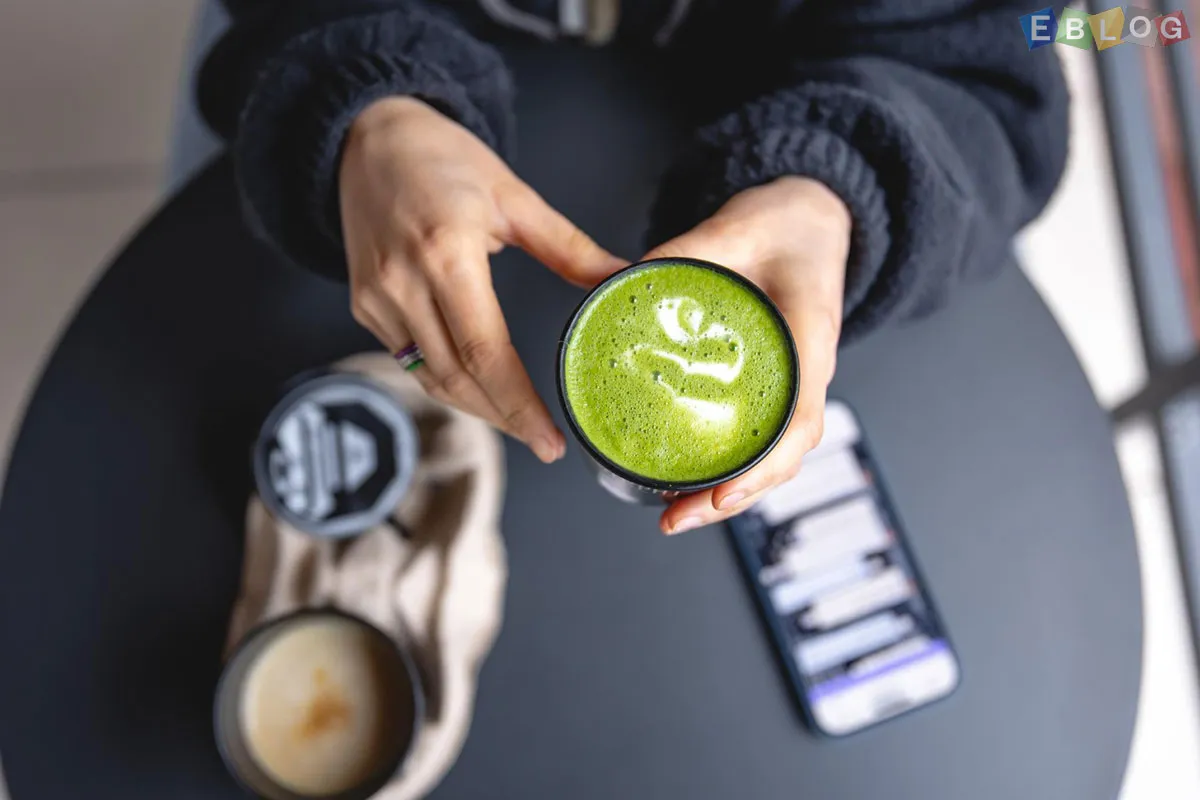
6. Green Tea for Energy, Metabolism & Brain Health
Although not an “herbal” tea strictly, green tea is a powerhouse for wellness.
Benefits:
Boosts metabolism
Supports weight management
Enhances mental clarity
Rich in antioxidants
How to Use:
Drink in the morning or early afternoon. Avoid drinking late in the day due to natural caffeine content.
7. Fennel Tea for Cramps & Digestive Relief
Fennel seeds provide calming benefits, especially for digestive issues.
Benefits:
Eases menstrual cramps
Relieves bloating and indigestion
Supports healthy digestion
How to Use:
Crush 1 teaspoon of fennel seeds and steep in hot water for 5–7 minutes.
8. Lemon Balm Tea for Mood Support & Relaxation
Lemon balm has natural mood-boosting effects.
Benefits:
Reduces stress
Promotes relaxation
Supports cognitive function
How to Use:
Enjoy a cup in the evening or whenever you feel overwhelmed.
Tips for Using Herbal Teas Effectively
Drink consistently for best results—herbal remedies work gradually.
Use fresh, high-quality herbs for stronger benefits.
Avoid adding too much sugar, as it reduces the therapeutic value.
Consult a doctor if you are pregnant, breastfeeding, or on medication.
Final Thoughts
Herbal teas offer a simple, natural, and delicious way to manage everyday ailments. Incorporating them into your routine can help you feel more balanced, energized, and healthier overall. The next time you feel stressed, bloated, or under the weather, consider brewing a soothing cup of herbal tea instead of reaching for medication right away.

Prev Post




















Leave a Reply