
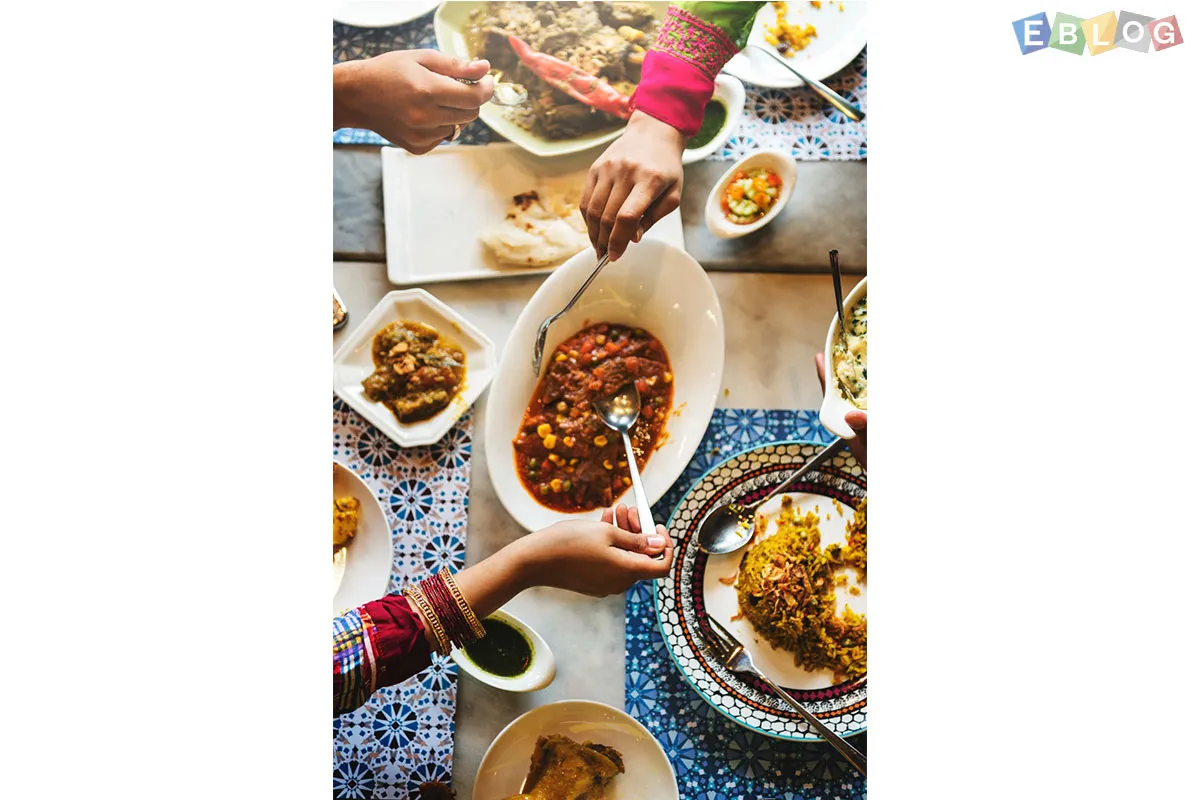
Food Culture in India: A Celebration of Flavors, Traditions, and Togetherness
India’s food culture is as diverse as its geography, languages, and people. Every meal tells a story of history, climate, tradition, and belief. From humble street food stalls to royal kitchens, Indian cuisine is not just about taste—it’s about identity, hospitality, and celebration.
1. Regional Diversity on Every Plate
India’s vast landscape shapes its food habits.
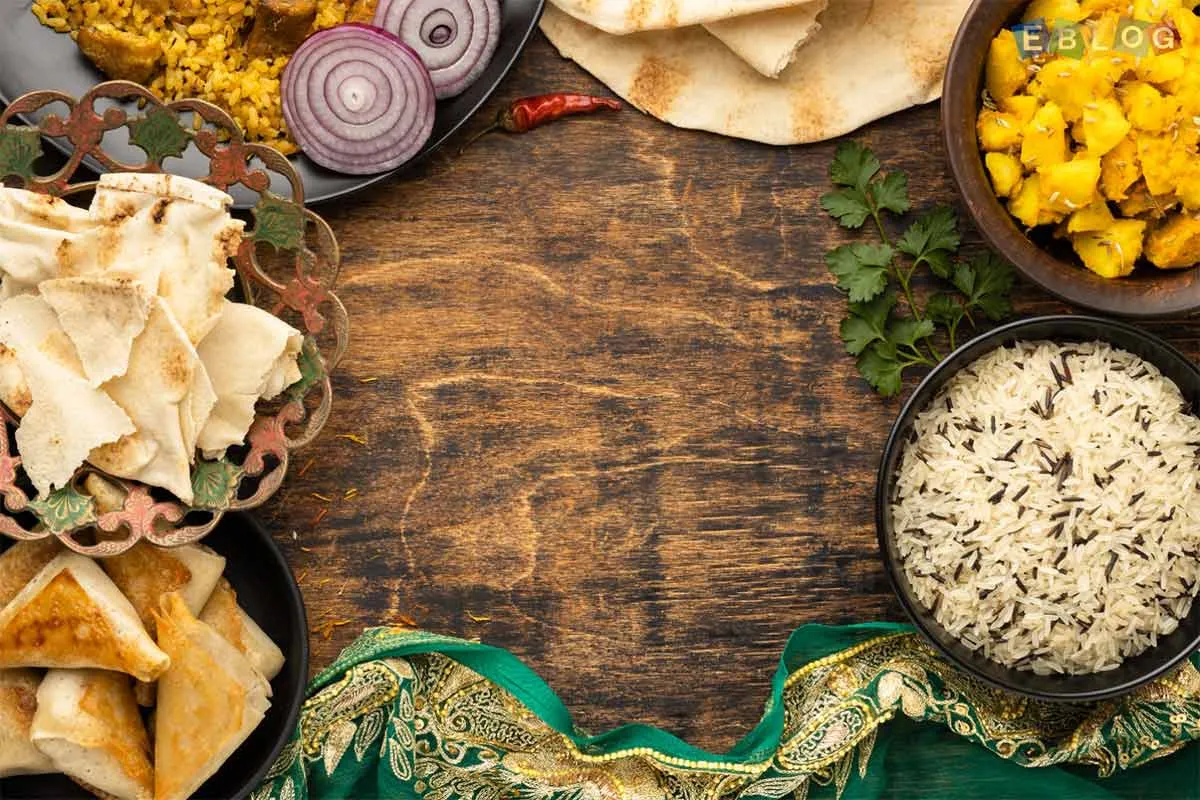
North India is known for rich gravies, tandoori dishes, butter-laden breads, and aromatic spices.
South India offers rice-based meals, fermented foods, coconut flavours, and tangy curries.
East India is celebrated for fish curries, rice dishes, and sweets made from chenna.
West India blends sweet, spicy, and tangy flavours, from Gujarati thalis to fiery Goan seafood.
Each region reflects local ingredients, climate, and cultural traditions.
2. The Power of Spices
Spices are the soul of Indian cuisine. Turmeric, cumin, coriander, cardamom, cloves, and chilli are used not only for flavour but also for their medicinal benefits. Spices vary by region, creating unique taste profiles while contributing to digestion, immunity, and overall wellness—a perfect blend of tradition and nutrition.
3. Street Food: The Heart of Indian Food Culture
Street food is where India’s food culture truly comes alive. From pani puri, vada pav, and chole bhature to idli, dosa, and kathi rolls, street food represents affordability, creativity, and local pride. These flavours connect people across social boundaries, bringing communities together over shared tastes.
4. Food and Festivals
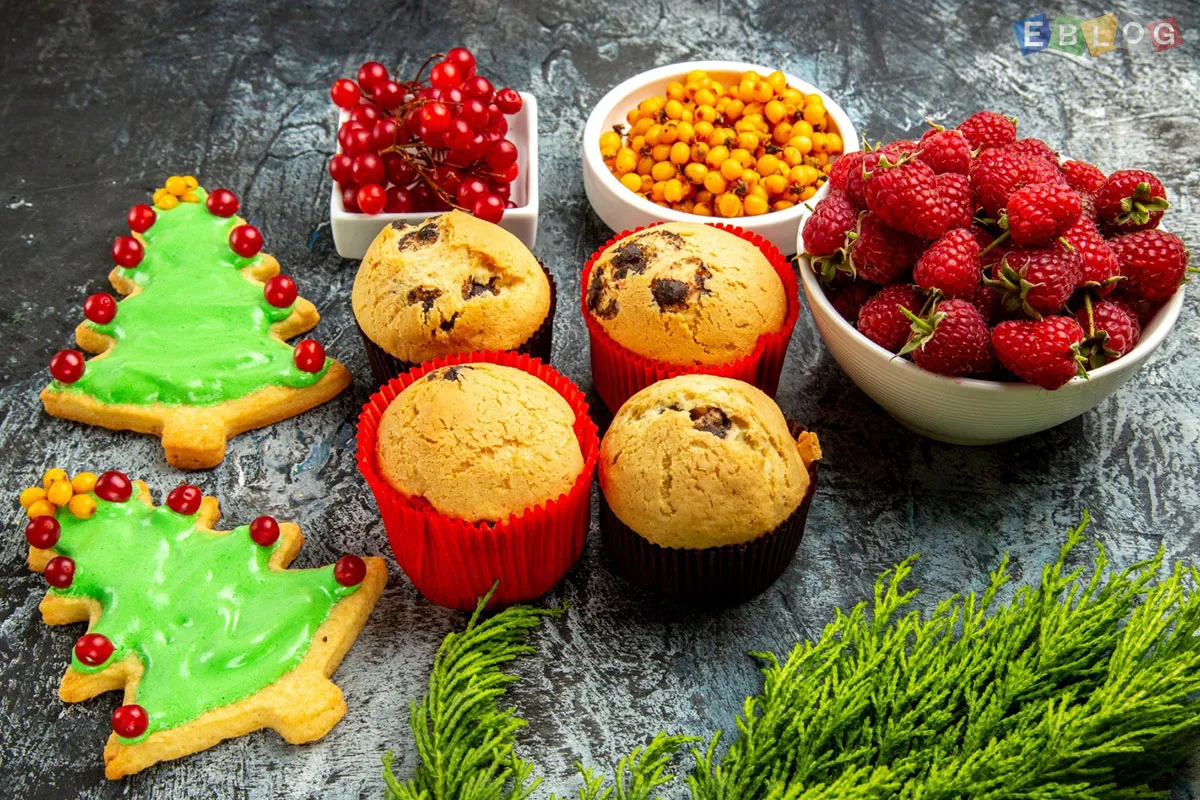
In India, food plays a central role in festivals and religious celebrations. Special dishes are prepared during Diwali, Eid, Christmas, Pongal, Onam, and Navratri, each carrying a symbolic meaning. Sweets like laddoos, barfis, and kheer are shared to mark joy, gratitude, and togetherness.
5. The Tradition of Eating Together
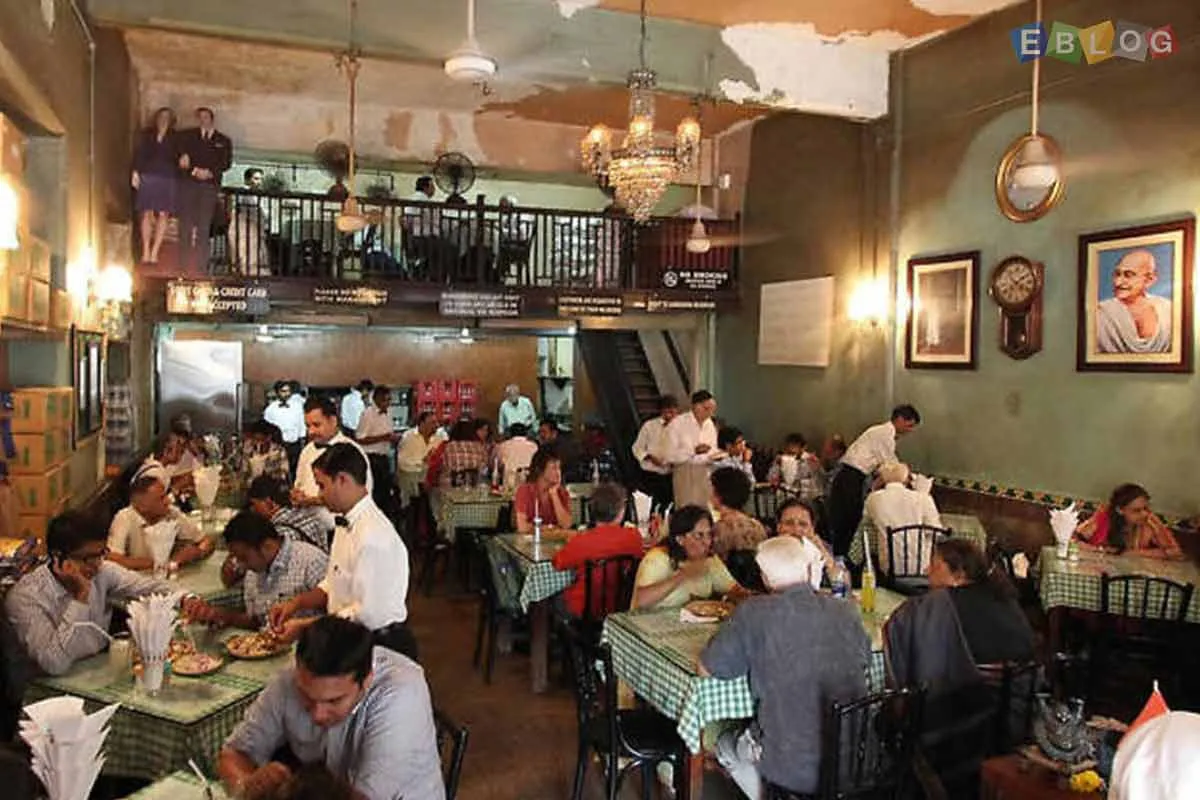
Indian food culture places deep importance on eating together as a family. Meals are often served in a thali, offering a balance of flavours and nutrients. Eating with hands is still widely practised, believed to enhance the sensory connection with food and aid digestion.
6. Influence of History and Global Connections
Indian cuisine has evolved through centuries of cultural exchange. Mughal emperors introduced rich gravies and biryanis, Portuguese influence shaped Goan cuisine, and British colonial rule left its mark on baked goods and tea culture. Despite these influences, Indian food remains rooted in tradition.
7. Modern Indian Food Culture
Today, Indian cuisine is evolving while respecting tradition. Fusion foods, health-conscious recipes, vegan adaptations, and modern presentations are becoming popular, especially in urban areas. Yet, the essence of Indian food—warmth, variety, and soulful cooking—remains unchanged.
Conclusion
Food culture in India is a living tradition that unites people across regions, religions, and generations. It is a celebration of diversity, resilience, and love for flavours. Whether enjoyed on a banana leaf, a street-side stall, or a fine-dining table, Indian food carries the spirit of the country in every bite.













Leave a Reply